The Roots of Chronic Absenteeism and How Community Leaders Are Addressing It

When students miss school, they miss not only instruction but connection. When students are chronically absent (which most NYC districts define as missing 10% of the school year) their friendships, grades, well-being, and access to support suffer. With chronic absenteeism in mind, educational data is undeniably important; it provides insight into student trends, highlights inequities, and guides educators toward areas where intervention is most urgently needed. But data alone cannot tell the full story.
Understanding the Root Causes of Absenteeism
In 2024, approximately one in three New York City public school students were classified as chronically absent. This staggering figure underscores the seriousness of the crisis, yet the reasons behind absenteeism are complicated. Chronic absenteeism is shaped by a complex network of interrelated challenges that differ from family to family and student to student.
Absences may stem from a broad spectrum of causes, including limited access to medical care, gaps in affordable transportation, or lack of dependable childcare. In some cases, families are juggling multiple jobs or coping with housing insecurity, while others may encounter obstacles related to language barriers or immigration status. These deeply personal and varied reasons for missing school days make clear that there can be no universal, one-size solution.
Improving Attendance by Supporting Students and Families
Early Intervention
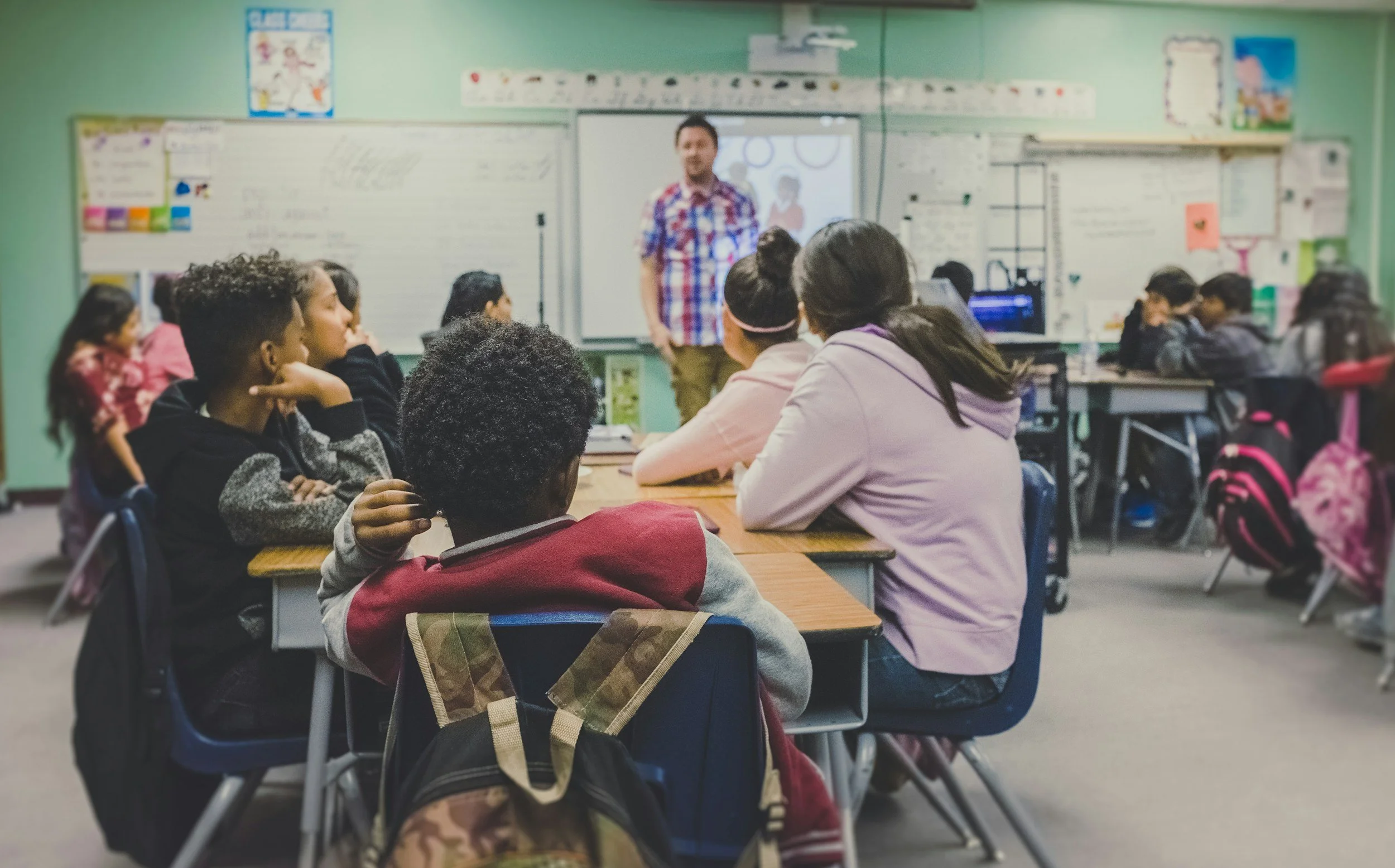
Gotham Collaborative High School in the Bronx has emerged as a leader in addressing absenteeism head-on. The school has developed forward-thinking strategies that seek not only to track attendance but to support students and their families in meaningful ways. Central to these efforts are carefully designed data systems that monitor attendance patterns and flag students at heightened risk of chronic absence. These systems allow for early interventions, timely outreach, and targeted support tailored to individual circumstances.
Restorative Justice and Peer-to-Peer Models
But Gotham is not alone in these efforts. Across New York City, many schools are moving away from outdated, punitive approaches to absences and adopting restorative and compassionate strategies instead. These include expanded after-school tutoring, peer-to-peer mentorship initiatives that promote accountability and belonging, and intentional dialogues with families to understand and address the root causes of absenteeism.
According to the data, poverty stands out as one of the most powerful drivers of chronic absence. A report by the Center for New York City Affairs, titled A Better Picture of Poverty, highlights that chronic absenteeism is a stronger and more consistent indicator of poverty than eligibility for free or reduced-price lunch. This reality demonstrates why punitive measures for student absences are not only ineffective but misaligned with the structural conditions that low-income families experience.
Community Collaboration: How Beyond Amo Is Tackling Chronic Absenteeism
In the face of these challenges, many educators and community leaders have stepped forward. One community leader is Ashley Ortiz, the founder of Beyond Amo. Beyond Amo is an organization dedicated to bridging the digital divide and equipping families with hands-on technology literacy programs. Ortiz has been actively working within her community to introduce innovative, tech-driven approaches aimed at reducing absenteeism and increasing educational opportunity.
At the District 27 Spring Attendance Summit, Ortiz presented Beyond Amo’s suite of programs and received enthusiastic support from teachers and administrators. At her home District 8 Town Hall, Ortiz strategized with parents, district leaders, and community members. Time and again, the value and necessity of Beyond Amo’s programming was reaffirmed. “Being at both the District 27 Summit and District 8 Town Hall was such a meaningful experience,” Ortiz says, “and we were received with open arms. It was clear that everyone shared the same goal of showing up better for our communities.”
Ortiz’s credibility stems not only from her professional expertise but from her lived experience. Ortiz was born and raised in the South Bronx and later became a teacher herself. As a student, Ortiz remembers being gifted her first computer, which was the gateway to her love of technology. That first computer fed her curiosity, deepened her ability to problem solve, and inspired a sense of confidence Ortiz wants every student to experience. These formative moments as a student, and then as an educator in the classroom revealed to Ortiz the transformative role technology could play in helping students succeed academically and socially. Inspired by these insights, she expanded her vision and now brings Beyond Amo’s programming to districts across New York City. “These moments at the Summit and Town Hall reminded me why our mission matters so much, because our school communities need more, and we want to be part of the solution by helping and supporting them every step of the way.”
A Future of Education Equity, Student Attendance, and Digital Literacy
Digital literacy has become fundamental to participation in both education and civic life. Yet families experiencing deep poverty are less likely to have broadband internet, functional computers, or the confidence and skills needed to navigate digital systems in 2025. Beyond Amo’s programming is not just a set of necessary workshops, but its own encouraging community. Through coding classes for students, digital literacy training for parents, and sustained professional support for teachers, Beyond Amo creates opportunities for learning at every level. Its initiatives, such as esports programs and tech entrepreneurship, have collaboration and community mindedness at the forefront of skill building. Just as peer-to-peer programming in schools has proven effective, Ortiz’s model places the same values at the center of the educational support. Beyond Amo’s programming also encourages and sustains student engagement—cultivating self-confidence, a love of learning, and a feeling of possibility in the classroom (and beyond).
Beyond Amo is proud to be part of this work, bringing access, care, and creative solutions to districts and schools. Through Beyond Amo’s compassionate, individualized programming, learning is strengthened, families are supported, and chronic absenteeism is addressed at the source. Districts and schools are encouraged to collaborate with Beyond Amo, to bring these pivotal solutions to their communities today.
If your school is looking to strengthen attendance, engagement, and digital confidence, connect with us.